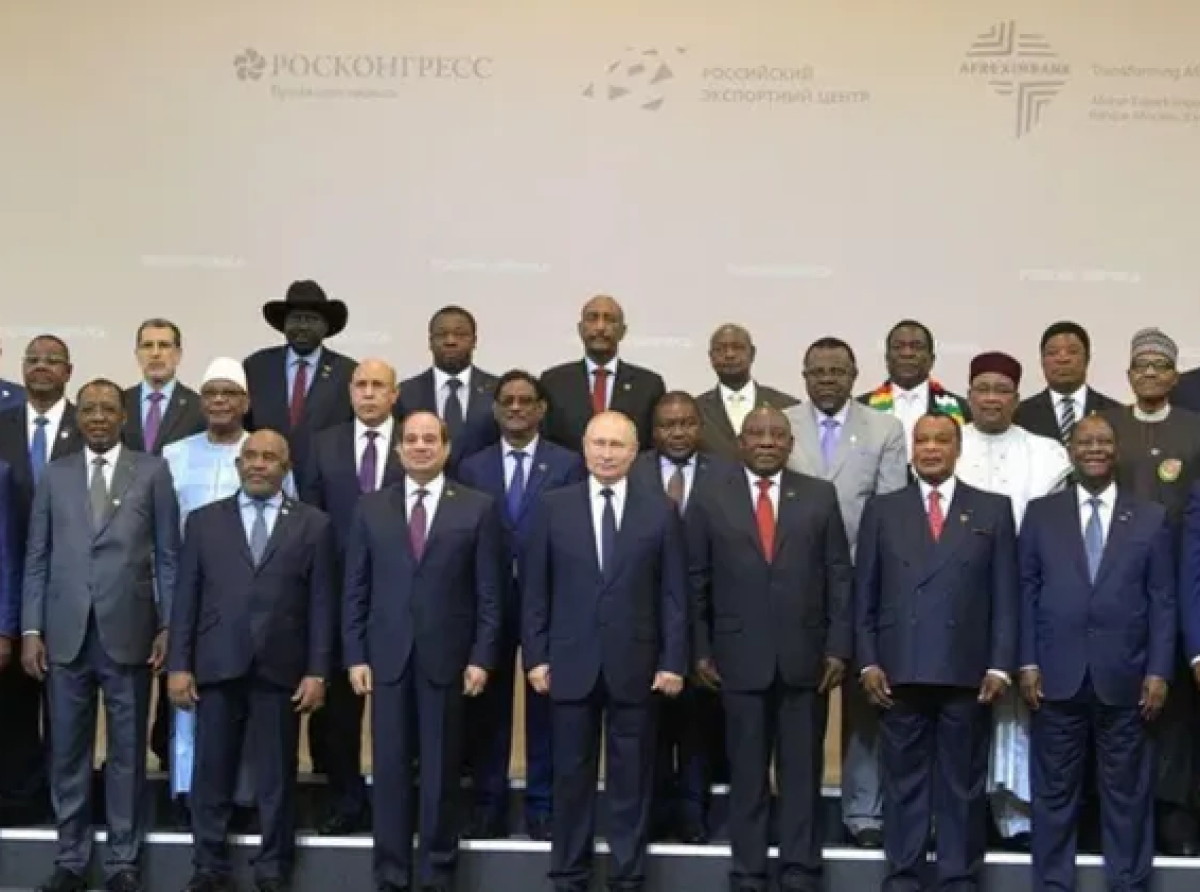
A Pledge from Moscow: The pledge matters because BRICS enlargement decisions are taken by consensus, which makes the founding five, Brazil, Russia, India, China and South Africa, the audience for Lavrov’s lobbying.
Yet a promise to lobby is not a vote. As one report put it, Russia’s endorsement strengthens Ghana’s campaign but does not amount to admission.
How Ghana got here: Accra has moved quickly. On 6 October, Ablakwa announced that President John Mahama’s Cabinet had decided to apply, and that Ghana had already asked India, the 2026 BRICS chair, for help with the process. India has expressed support for Ghana’s aspirations while noting that admission requires collective consideration by members, and it is preparing to host the 18th BRICS Leaders’ Summit in New Delhi.
Ghana is not asking for a full seat yet. At a press briefing with India’s foreign minister, Ablakwa said Ghana would first join as a partner country and move to full membership based on results.
What partner status actually means: BRICS leaders created the partner category at the Kazan summit in October 2024. Candidates move through three stages, from declared interest to potential partner to partner state, and the final decision rests with leaders acting by consensus. Partners get a place at the table without a vote. They can make their own proposals but do not take part in agreeing documents or voting.
The current partner list is Belarus, Bolivia, Cuba, Kazakhstan, Malaysia, Nigeria, Thailand, Uganda, Uzbekistan and Vietnam. Nigeria and Uganda give Ghana two African precedents. The queue is long. More than 30 countries are formally in line, and expansion has not always been welcome. During its 2025 presidency, Brazil said its priority was integrating the new members and partners and that a new expansion process was not expected.
The case for Ghana: The government’s argument is diversification. Officials say the move would diversify international partnerships and create opportunities for trade, investment and economic cooperation. Ablakwa insists it does not alter Ghana’s foreign policy of non-alignment, summed up as “friends of all, enemies to none”.
The government also says engagement with BRICS will complement Ghana’s ties with traditional partners such as the International Monetary Fund and World Bank. Ablakwa has been careful on money. He affirmed Ghana’s commitment to the IMF and World Bank, and said BRICS membership would not automatically bring loans or membership of the New Development Bank.
The questions back home: Not everyone in Accra is convinced. The Minority in Parliament, led by Samuel Abu Jinapor, the ranking member of the Foreign Affairs Committee, demanded an urgent briefing. An Adomonline analysis noted that the date of the formal application, the category Ghana will seek and the government’s cost-benefit analysis are not yet known. It also cautioned that membership would not suddenly open new markets, and that its value lies in lowering frictions with partners Ghana already depends on.
Ablakwa has answered critics by pointing abroad. He has argued that the United States’ own dealings with Russia show the importance of pursuing national interests.
What to watch: Three things will show how serious this bid is. The first is whether Brazil, China, India and South Africa follow Moscow’s lead, since Lavrov’s word binds only Russia. The second is the formal application, including its date and the status Ghana seeks. The third is what the Cabinet’s analysis says, once Parliament sees it.
A pledge from Moscow opens a door. Consensus among the founding five decides whether Ghana walks through.
