
Five councils roll back their net zero targets in the West Midlands
New data released from Climate Emergency UK shows a mixed picture on councils’ climate commitments, with 20 councils scrapping their net zero targets since 2025, while 28 have strengthened them.
A further 68 councils have set new net zero targets. In the West Midlands, five councils, including Warwickshire and Staffordshire County Council, have scrapped their targets, while 9 West Midlands councils have strengthened or committed to a new net zero target, since 2022. This includes Stafford Council who strengthened their council only net zero target to 2035 (previously 2040). This has led to a postcode lottery for climate action with residents benefiting or suffering depending on whether their council believes the climate emergency is a priority concern.
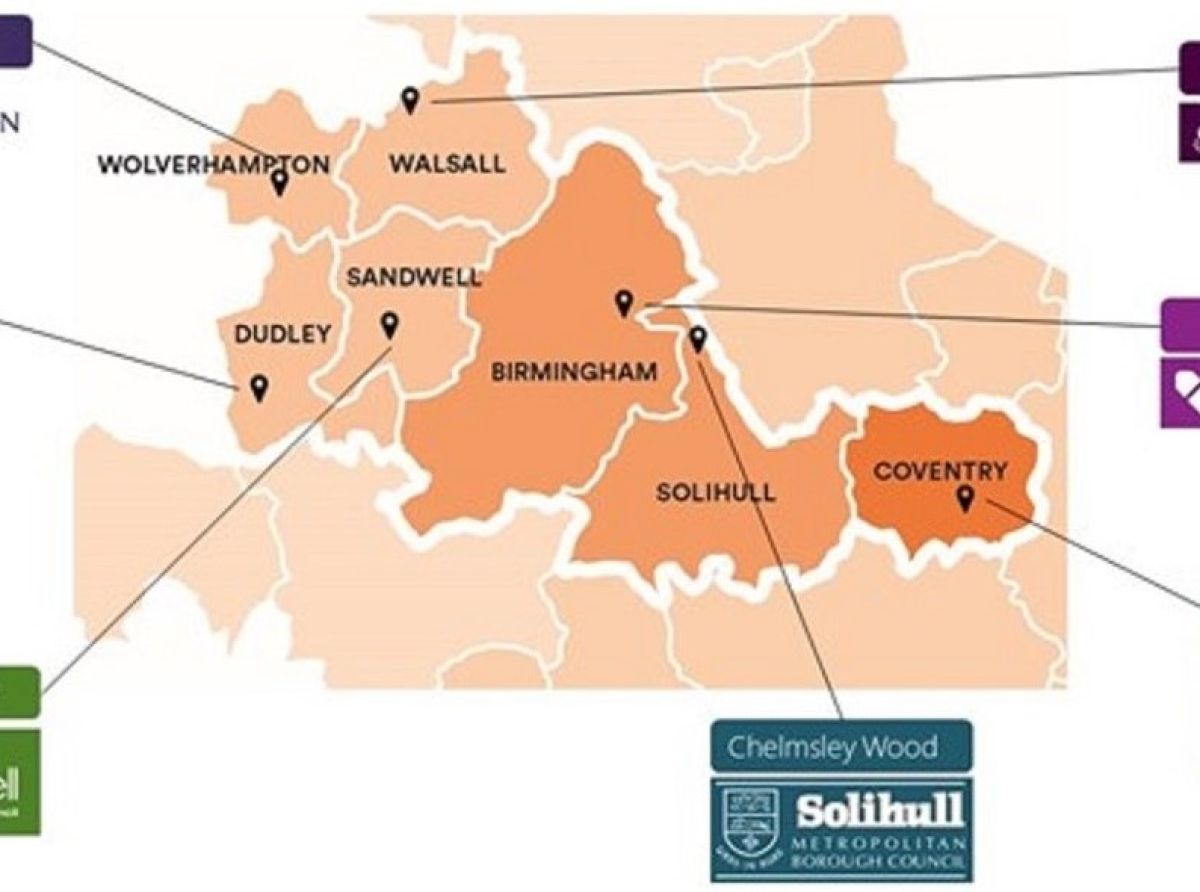
Almost all councils that have scrapped their net zero targets are run by Reform: the only non-Reform council to have removed their net zero target is the Labour minority council, Bridgend Council in Wales. Walsall Council in the West Midlands sums up this patchwork of commitments, having originally set a 2050 area-wide net zero target, which was then brought forward to 2041, only to be completely scrapped by the new Reform administration this year. That means critical actions that benefit residents from Walsall’s Climate Action Plan, including securing funding to install 1000 public electric vehicle (EV) chargers, using their planning powers to enforce higher standards of energy efficiency in new builds and planting one tree for every household in the borough by 2030, will likely be cut.
Isaac Beevor, Partnerships Director at Climate Emergency UK said: “It’s devastating to see 20 councils drop their net zero target and others weaken theirs when 79% of UK residents are concerned about climate change.
“Dropping these targets will only leave their residents and councils more vulnerable to flooding and energy price shocks, with more money spent by councils on oil and gas instead of frontline services and reducing emissions.” Walsall's rollercoaster ride is not mirrored across the rest of the UK. More councils have strengthened or introduced new net zero targets, 96 in total, than have scrapped or weakened their targets, only 62 councils. For example, this year Broadlast District Council in Norfolk, run by Labour and Lib Dems, brought their council operations net zero target forward, from 2030 to 2028 because they are “resolutely committed to achieving net-zero carbon emissions as an organisation”, while the Liverpool City Region Combined Authority committed to a strengthened area wide target of 2035 (previously 2040).
Three Reform led councils, Bradford, Nottinghamshire and North Northamptonshire, still have net zero targets, despite North Northamptonshire weakening theirs from 2030 to 2050. Mr Beevor continued: “While the headlines have been grabbed by Reform councils removing net zero, there has been a success story of UK councils that have recommitted to climate action and set stronger or new net zero targets.
“But this patchwork result of targets and climate action is an insult to the vast majority of residents who want to see further action on the changing climate. This is why we are calling on the UK government to introduce a funded legal duty for councils to take climate action. Doing so would end this postcode lottery as councils scrap or strengthen net zero and would allow for more funding and guidance for council climate action.
“This would help reduce councils and residents’ energy bills through installing solar panels and insulating homes, and provide better public transport and green spaces locally.” The new Labour-led East Midlands and York & North Yorkshire Mayoral authorities have been the latest authorities to set area-wide net zero targets, covering not just their own activity, but that of all their residents. East Midlands aims to reach net zero by 2050, with York & North Yorkshire setting an ambitious target of 2034. But targets are not everything. All seven councils, including Bristol (Green led) and Tower Hamlets (local party Aspire led) that set 2025 net zero goals for their own council operations have missed these targets and, as of yet, have not set new emissions commitments for their councils.
Mr Beevor said: “With the current PM, a former Mayor of Greater Manchester Combined Authority who set a 2038 area-wide net zero target, we expect to see this same level of ambition from Mr Burnham in Government.
“A fully-funded legal duty for local governments to act on climate would bring England up to speed with the other UK nations where there are already some legal requirements on this for councils, and fewer councils scrapping their net zero targets.” England and Wales are falling behind Scotland and Northern Ireland: in these nations every council has a net zero target; either for their own emissions, or for the whole district, albeit the commitments still remain a patchwork of targets from 2030 to 2050. Climate Emergency UK assesses councils on their climate action, with their next complete assessment of Northern Irish and all other UK councils, the Council Climate Action Scorecards launching Spring 2027.