
Pest expert reveals why millions of Christmas trees could be bringing bugs indoors
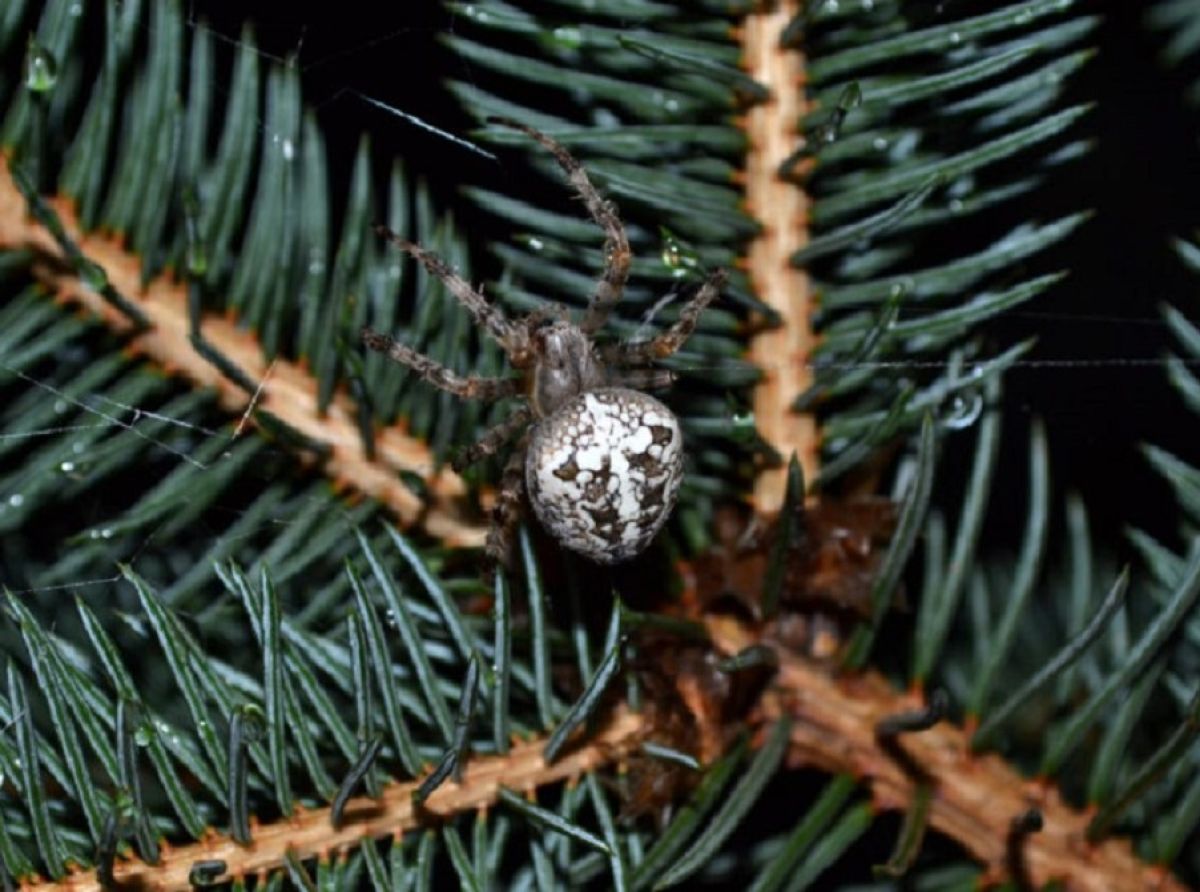
James Copley, of Copley Pest Solutions, warns UK residents to check their Christmas trees for pests before bringing them inside.
In the UK, six to eight million Christmas trees are sold every year. These trees provide shelter for insects in the colder months and might become active when they are moved into a warm home.
The most common pests that could be in your Christmas tree: Conifer aphids are often found on firs and cedar trees, where they feed on sap. They are harmless but do produce a sticky substance called honeydew, which can get on your ornaments, baubles, and decorations. If you notice aphids, do not squish them while they are on your tree or decorations, as they can leave stains.
Spider mites are also common, but can be hard to spot due to their small size. They are commonly found on pine, fir, and spruce trees. One quick way to test if your tree carries these pests is by using a white piece of paper. Hold the paper underneath a branch and begin tapping and shaking the branch. If tiny dots start moving on the paper, that is a sign of spider mites. If your tree has a large number of spider mites, you might notice fine webbing between the needles.
UK homes are no strangers to spiders, but what is important to look for this festive season is if your tree has any spider egg sacs. The warmth of your home can cause these egg sacs to hatch prematurely. If you notice an egg sac, you can choose to relocate that piece of branch outside or use a hoover.
How to check your tree before bringing it inside your home: One simple first step in making sure there are no pests on your tree is to vigorously shake it before bringing it inside. Some Christmas tree farms actually have mechanical tree shakers that you can use before you bring your tree home.
Take the time to inspect every branch carefully. Look for groups of dark insects, webbing, egg sacs, or abnormal markings on the needles. Don’t forget to look at the trunk and base of the tree as well. Look for small holes, which are often a sign of wood-boring insects.
Placing a white sheet or a tree skirt under your tree will allow you to quickly spot any insects as you put your tree up and spread the branches. It is also recommended to buy from a supplier that is affiliated with the British Christmas Tree Growers Association.
The Christmas decorations that also bring pests: Trees are not the only way that pests can come into your home this season. Your decorations have been in storage for nearly a year, which can create an opportunity for more pests, especially if they have been in the loft, garage, or shed.
Cardboard boxes are known for being home to cockroaches, spiders, and silverfish. If you stored electrical decorations and noticed signs of mice, make sure you check that the wires have not been chewed through.
Households should also keep an eye on the water in their Christmas tree stand. Stagnant water can encourage mould growth and attract fungus gnats. Keep the stand clean and change the water regularly. Fresh wreaths and garlands can also bring spiders, aphids, mites, and woodlice into your home. Gently shake them out and carefully examine them before bringing them into your home.
Firewood is another way pests can enter your home. Woodlice, spiders, and ants often seek shelter in firewood during the colder months. Only bring small amounts into your home at a time; that way they are going directly into the fire before they can affect your home.
Homeowners should know that it is completely natural for Christmas trees to come with a pest or two. Taking the time to shake your tree out and inspect it before placing it in your home will prevent most problems this festive season.