Five myths and mistakes an addiction specialist hears every Stoptober
UK smoking rates are the lowest since records began in 2011, but 10% of the adult population (5.3 million) still smoke, according to the latest ONS figures.
October is typically the month when many will take part in Stoptober to quit the habit, hopefully for good. Some will also use it as a chance to cut back on drinking or other substances. That can be a positive step, but for anyone who is physically dependent on alcohol or certain drugs, stopping suddenly can be dangerous.
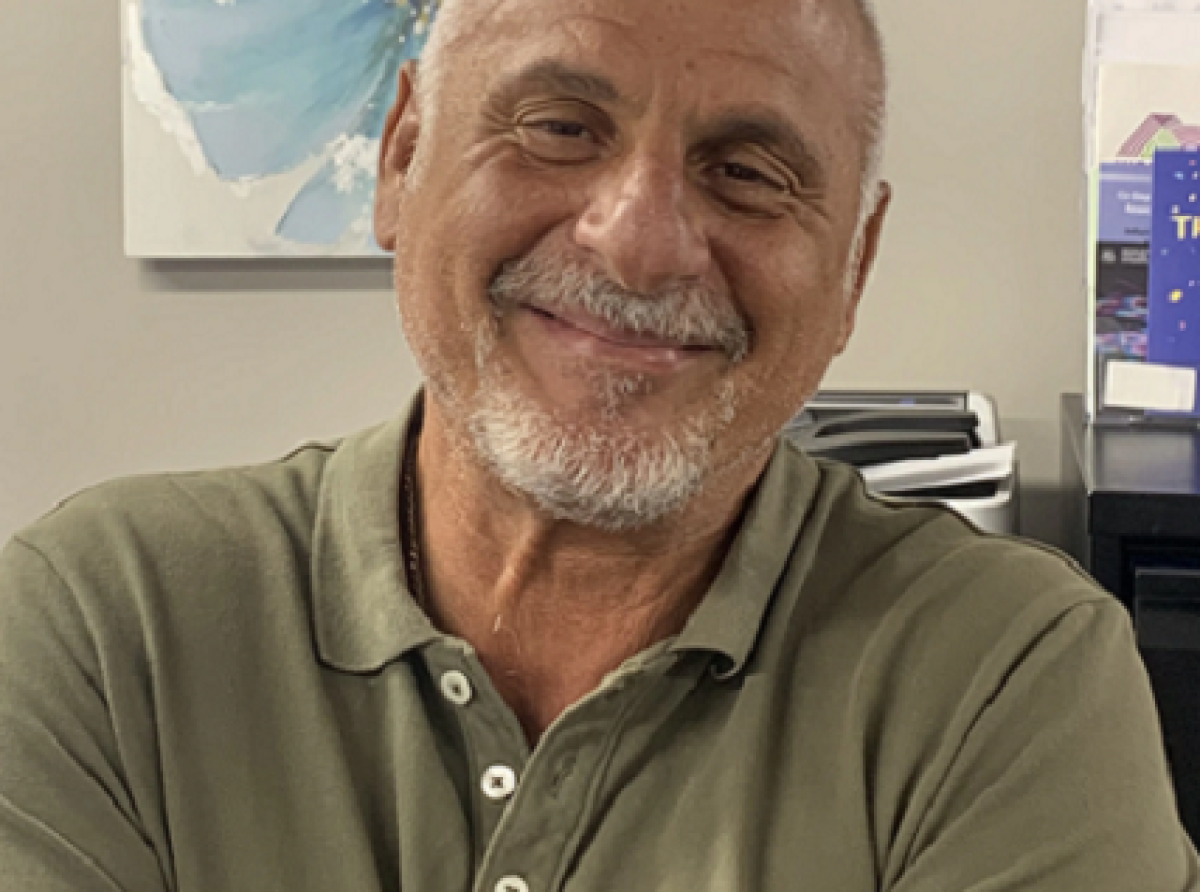
Andy Kalli, Centre Manager at Rehab Today, specialises in the psychology of substance use and addiction counselling. He has shared five common myths and mistakes that he hears every October, and what people need to know instead.
Myth 1: Smoking helps me deal with stress.
A Cochrane review of 102 studies, covering more than 169,500 people, found that quitting smoking is linked to lower depression, anxiety and stress, not higher.
"The calm that people feel when they light up is mostly relief from nicotine withdrawal, which the last cigarette caused in the first place. It feels like stress relief, but it's the addiction topping itself up. Once that cycle is broken, most people find their baseline stress actually drops. The first few weeks are the hardest, and that's exactly when support makes the biggest difference."
Myth 2: I've tried before and failed, so there's no point.
The Stoptober campaign says people who stop for 28 days are five times more likely to quit for good. The National Centre for Smoking Cessation and Training says using a local stop smoking service makes a quit attempt three times as effective as going it alone.
"Relapse isn't failure. It's a normal part of changing any addictive behaviour, whether that's cigarettes, alcohol or gambling. Every attempt teaches you something about your triggers, whether that's the first coffee of the day, a drink with friends or a stressful afternoon at work. The people who succeed usually aren't the ones with the most willpower, they're the ones who stop trying to do it alone."
Myth 3: Stoptober is only for smokers.
Smoking is rarely just done on its own. Research by UCL, the University of Bristol, King's College London and Action on Smoking and Health estimates that around 2 million people in England both smoke and drink at risky levels. A national study of more than 106,000 adults in treatment for substance use in England found that nearly half (48.7%) smoked when they started treatment, rising to 61% among people using opiates.
"Stoptober is a great moment to take an honest look at every habit, not just cigarettes. If you notice you always smoke when you drink, or you're reaching for something else to fill the gap, that's worth paying attention to. A month with a clear start date, and lots of other people doing the same thing, can be the push someone needs to look at their drinking, gambling or drug use too. Looking at it doesn't mean stopping everything overnight. It means getting the right advice on how to tackle it safely."
Myth 4: I should wait until I'm sober before I think about quitting smoking.
Many people in recovery from alcohol keep smoking because they worry that giving up both will be too much. A large US study that followed adults in recovery from alcohol problems over three years found that both daily and non-daily smokers had around twice the odds of relapsing compared with non-smokers.
"There's an old idea in recovery that you should only fight one battle at a time, and cigarettes get left until later. But smoking and drinking are often tied to the same triggers and routines, so one can keep pulling you back to the other. That doesn't mean everyone should quit everything on the same day. It means smoking deserves a place in the conversation about recovery, not a pass."
Myth 5: If I'm determined enough, I can go cold turkey on anything.
Looking at more than one habit is a good thing, but how you stop matters. Stopping smoking abruptly is generally safe, but the main exception is for people taking certain mental health medicines, such as clozapine, whose levels can rise quickly once they stop smoking, so they should speak to their care team first. For someone who is physically dependent on alcohol or benzodiazepines, stopping suddenly can be dangerous and even life-threatening. Drinkaware estimates that around one in ten people with alcohol withdrawal syndrome have seizures.
"Cold turkey can work for cigarettes, but it isn't safe for every addiction. If you've been drinking heavily every day, or you've been taking benzodiazepines such as diazepam for a long time, please don't just stop overnight this October. Shaking, sweating, anxiety or feeling sick when you haven't had a drink are signs your body has become dependent. Speak to your GP or a local drug and alcohol service first, so any reduction or detox can be planned and supervised safely. Wanting to stop is a brilliant first step. Doing it safely is the second."
Rehab Today runs several CQC and HIW registered centres across the UK, offering personalised residential treatment for substance and behavioural addictions.